Keeping Trade Moving along the U.S.-Mexico Border
Jun 03, 2026 • 3 min read
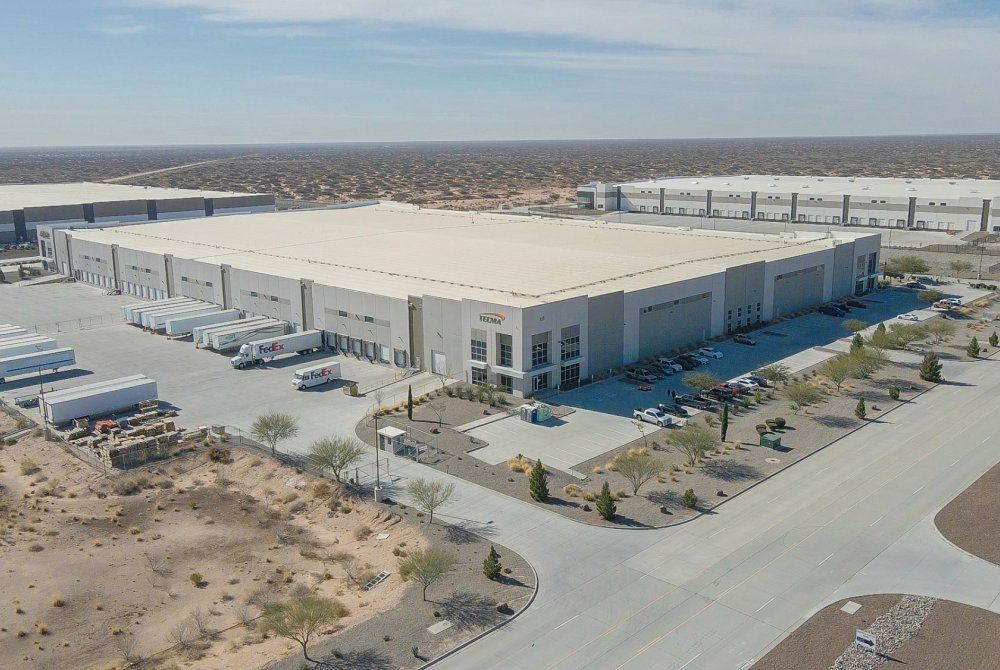
Cross-border logistics along the U.S.–Mexico border continue to evolve as trade volumes remain resilient and supply chains adjust to shifting regulatory, labor, and infrastructure dynamics. From automotive and electronics to medical devices and consumer goods, manufacturers on both sides of the border rely on predictable freight movement to maintain production schedules and meet delivery commitments. Yet one of the most persistent operational challenges facing the region today is the shortage of qualified truck drivers.
The driver shortage is not new, but it has become more complex. Demographic shifts, an aging workforce, regulatory requirements, and lifestyle considerations have limited the inflow of new drivers into the industry. At the same time, nearshoring trends have increased freight flows between Mexico and the United States, further straining trucking capacity.
Longer transit times, difficulty securing equipment during peak periods, and rising freight rates are among the consequences companies are experiencing. For manufacturers operating under just-in-time or lean production models, even minor transportation disruptions can ripple through the supply chain.
Border crossings require coordination between customs brokers, carriers, drayage providers, and warehouses, making driver availability a critical link in the chain.
In high-traffic corridors such as Laredo, El Paso–Ciudad Juárez, and Otay Mesa, consistent driver capacity is essential not only for cross-border linehaul movements but also for drayage services that transfer cargo between yards, warehouses, and ports of entry.
Nowadays, companies are responding to the driver shortage in several ways. Some are diversifying their carrier base to avoid overdependence on a single provider. Others are investing in improved load planning, digital freight platforms, and real-time tracking systems to increase visibility and reduce idle time. Nearshoring itself is also part of the solution: shorter distances between production and final markets can partially offset the constraints imposed by long-haul drivers.
Another approach involves working with transportation providers that offer integrated logistics services, particularly those with binational expertise. Cross-border logistics requires knowledge of customs procedures, security programs, documentation requirements, and regulatory compliance in both countries. Providers that operate within established industrial ecosystems can reduce friction and increase predictability.
Integrated Logistics Services: Reducing Delays and Improving Supply Chains
Within this environment, companies operating in Mexico under shelter or independent structures can leverage integrated logistics support through Tecma Transportation Services, part of the Tecma Group of Companies.
Tecma Transportation Services focuses on cross-border freight coordination between Mexico and the United States. Its model includes carrier network management, freight consolidation, route optimization, customs coordination, and compliance oversight. By centralizing these functions, manufacturers can reduce administrative complexity and mitigate exposure to fluctuating driver availability.
Because Tecma works closely with manufacturing clients, it can align transportation planning with production schedules, warehouse operations, and customs clearance processes. This integration is particularly relevant in high-volume manufacturing hubs such as Ciudad Juárez and other border regions, where synchronization between plant output and freight pickup is critical.
In practical terms, using a structured transportation service can help companies:
- Secure consistent carrier capacity through established networks
- Coordinate drayage and cross-dock operations efficiently
- Improve compliance with U.S. and Mexican customs regulations
- Increase shipment visibility through tracking systems
- Reduce the risk of costly delays tied to driver shortages
As North American supply chains continue to integrate under the USMCA framework, cross-border logistics will remain central to regional competitiveness. The driver shortage is unlikely to disappear quickly, particularly as freight demand continues to grow alongside nearshoring activity. Companies that treat transportation not as a transactional function but as a strategic component of their operations are better positioned to manage volatility.
Integrated transportation services, especially those with binational expertise, offer one pathway to reduce exposure to labor constraints and maintain supply chain continuity.
In an environment where predictability is increasingly valuable, structured logistics partnerships may serve as a stabilizing factor for manufacturers operating along the U.S.–Mexico border.
If you want to explore your logistics options, contact Tecma Logistics Services.
Share this post