Logistics Trends at the U.S.–Mexico Border in 2026
May 01, 2026 • 4 min read
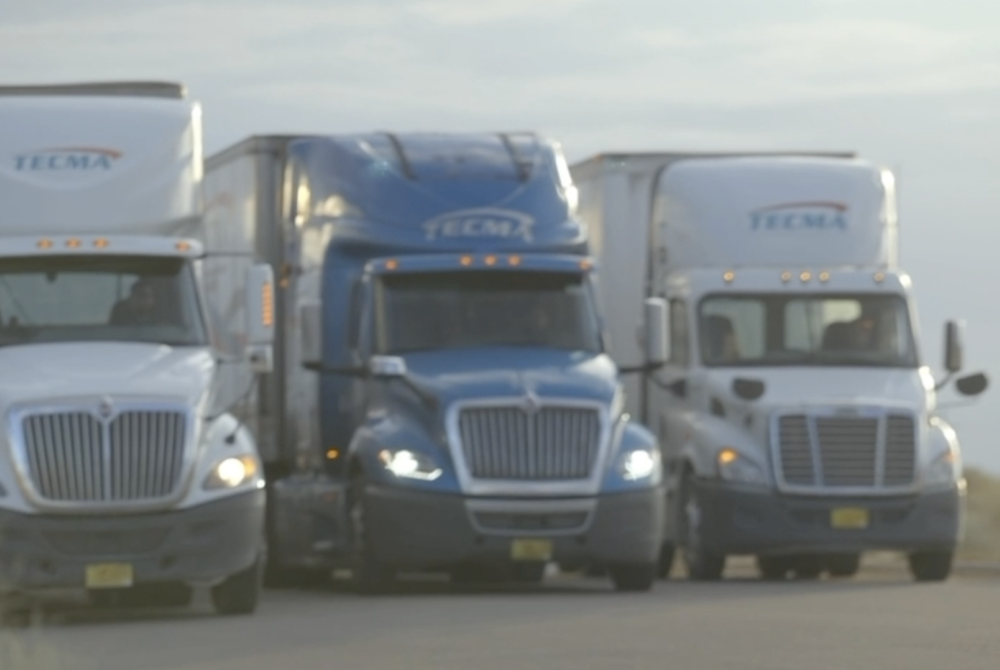
In 2026, cross-border logistics along the U.S.–Mexico border are being reshaped by a convergence of forces rather than a single defining trend. Logistics networks are operating at the intersection of resilient trade flows, evolving tariff dynamics, and continued investment in infrastructure and digital capabilities.
At the same time, the system is under a three-way squeeze: manufacturers are demanding faster and more predictable border crossings; regulators are tightening verification and enforcement; and freight networks are working to expand capacity, such as through truck parking, warehousing, labor, and technology, without undermining already strained cost models.
Despite added complexity from trade tensions, cross-border commerce continues to adapt, elevating logistics modernization and regulatory compliance as central priorities for shippers, carriers, and policymakers alike.
Recent data shows that Mexico’s exports expanded by 7.6% in 2025, a notable achievement amid broader U.S.–Mexico tariff dynamics, particularly in sectors such as automobiles, steel, and aluminum. Total export value climbed even as some manufacturing industries faced headwinds from higher American tariffs. This trend underscores the continued integration of North American supply chains and reinforces the importance of efficient logistics operations at border crossings.
What Manufacturers Need to Know About U.S.–Mexico Trade, Compliance, and Border Efficiency in 2026
Here are some of the main trends in logistics to watch in 2026:
Trend 1: Throughput and Predictability Drive Operational Priorities
For logistics stakeholders in 2026, predictability is as important as speed. Businesses report demand for:
- Precise visibility into border crossing times and queue locations.
- Appointment systems and digital documentation to reduce wait times.
- Backup routing options across multiple ports of entry.
- Better border-time intelligence, including research that links border delays to constraints like staging and truck parking near crossings.
These operational improvements stem from both commercial pressure and the need to offset the variability associated with compliance and inspection regimes.
Trend 2: Compliance and Documentation Under Increased Scrutiny
The United States–Mexico–Canada Agreement’s (USMCA) scheduled 2026 review has become a practical logistics variable, not just a trade-policy headline, because even the expectation of stricter rules can change documentation practices, inspection intensity, and corporate risk tolerance.
Recent analyses from CSIS and the Baker Institute frame the 2026 review as a strategic stress test of North American competitiveness and supply-chain integration. Meanwhile, reports indicate the U.S. and Mexico have already agreed to begin talks on possible reforms, including potential changes to rules of origin and industrial goods, areas that can directly affect shipper paperwork, sourcing strategies, and border throughput.
With major gateways such as Laredo, Juarez, and Otay Mesa processing tens of thousands of shipments weekly, any lapse in compliance can ripple through supply chains, delaying production schedules and increasing costs.
Companies that treat compliance as a “back office” function may see border variability increase. Firms that tighten supplier documentation, classification discipline, and origin verification tend to buy down delay risk, especially in regulated sectors and complex manufacturing supply chains.
Trend 3: Border Ecosystem Capacity Gains Importance
Border efficiency is no longer defined solely by the physical capacity at bridges and crossings. Increasingly, the surrounding logistics ecosystem, including truck parking, staging areas, drayage fleets, and cross-docks, is influencing throughput rates.
One signal of the ecosystem push is the growing attention to truck parking as a safety and throughput issue. Freight-focused reporting notes new momentum in federal funding discussions to expand truck parking capacity, an indirect but meaningful lever on congestion near crossings.
At major gateways, local reporting also highlights how the U.S.-Mexico border is positioning itself not only as a crossing point but also as a gateway-plus-distribution hub built around warehousing, technology, and value-added logistics. Even “small” capacity additions, such as new driver service and parking facilities, are being treated as strategic infrastructure because they reduce friction in the daily flow of commercial trucks.
Trend 4: Trade Flows and Logistics Demand Remain Resilient
Despite tariff pressures, Mexico has maintained strong trade momentum, with manufacturing exports continuing to anchor its foreign sales. This robust trade performance supports steady freight demand across truck, rail, and multimodal networks, even as certain sectors adjust production footprints and shipment strategies to mitigate tariff exposure.
Tecma’s Role in Cross-Border Logistics
Companies operating in the U.S.–Mexico corridor are increasingly relying on integrated logistics partners to manage complexity and maintain flow. Tecma Group of Companies exemplifies this trend. With more than 40 years of experience supporting cross-border operations, Tecma offers comprehensive logistics services that go beyond traditional freight movement. Its offerings include door-to-door transportation, warehousing, customs processing, real-time tracking, and supply-chain management, designed to streamline flows and reduce delays at key border gateways.
By integrating logistics with shelter and customs services, Tecma helps manufacturers optimize inventory, lower costs, and enhance visibility, a crucial advantage as trade volumes and regulatory requirements grow in 2026.
To get a tailored solution to your logistics needs, contact our team of experts today.
Share this post